

The Role of a Doula: More Than Birth Support
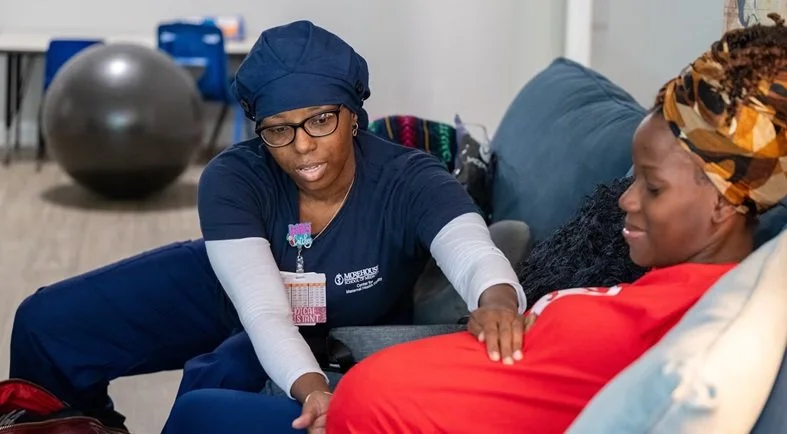
Doulas are professional childbirth companions who provide emotional support, physical comfort, education, and advocacy to women and birthing persons during pregnancy, childbirth, and the newborn period. Historically, women were supported during childbirth by female family members, friends, or community elders, a role that faded as births shifted to hospitals in the 20th century. Today, doulas are recognized as professionals filling a critical gap in care, offering support that improves birth outcomes and reduces interventions.
There are different doulas that support specific needs including:
Full-Spectrum Doula: Offers support for all pregnancy outcomes, including birth, adoption, miscarriage, or abortion
Birth (Labor) Doula: Provides emotional reassurance, pain management techniques, and advocacy during labor and delivery
Postpartum Doula: Assists with newborn care, feeding support (breastfeeding/bottle), and household help during the first weeks or months after birth
Antepartum Doula: Supports individuals on bed rest or with high-risk pregnancies, offering comfort and care to manage stress
Bereavement/Loss Doula: Provides specialized support to families experiencing the loss of a baby
Doulas can assist with creating birth plans, offer comfort techniques, provide breastfeeding support, and aid in postpartum recovery. They provide continuous, hands-on comfort measures such as massage, breathing techniques, position changes, and, in some cases, support during cesarean sections, induction, or miscarriage/abortion. They act as a liaison between the birthing person and medical staff to ensure birth preferences are communicated. Postpartum doulas assist with recovering from childbirth, breastfeeding, bottle-feeding, and learning to care for the newborn. Postpartum doulas may assist with light household tasks, preparing meals, and supporting siblings.
Doulas do not provide medical care, diagnose conditions, perform clinical tasks (like vaginal exams or fetal heart monitoring), or deliver/catch babies. They will not make decisions for clients or project their own agenda onto the birth or postpartum experience. Doulas cannot prescribe medication, but they can assist you with discussing concerns with your medical provider.
Doulas are proven to improve the birth and postpartum experience. Doula support is strongly associated with a 52.9% lower risk of cesarean delivery and a 57.5% reduction in postpartum depression/anxiety. Women with doulas are 12% less likely to receive an epidural. Doula care for Medicaid beneficiaries has been associated with significant savings, including a reduction in premature births and up to $185 million in potential national health care savings. 66% of Black women express interest in doula care, which is the highest rate among racial/ethnic groups, yet they have lower access. If you are interested in a doula, there are multiple options for you to access services:
AAIMM Doula Program: provides free doula services to Black birthing families in LA County. Pregnant clients are matched with Black doulas to provide pregnancy visits, continuous labor support, and breastfeeding support
Frontline Doulas: provides NO COST Doula care for pregnant people/birthing families in Los Angeles County who identify as African American
Birthworkers of Color Collective: provides sliding scale full spectrum doula services. Clients are matched with a birth worker who fits your unique needs and identities
Beauty for Ashes
You can also access doula care through your insurance
Aetna (only in select regions)