


Supporting Your Postpartum Journey
Healing is an ongoing journey. Here’s how you can nurture your body, mind, and baby in the months following childbirth.
What is the postpartum period?
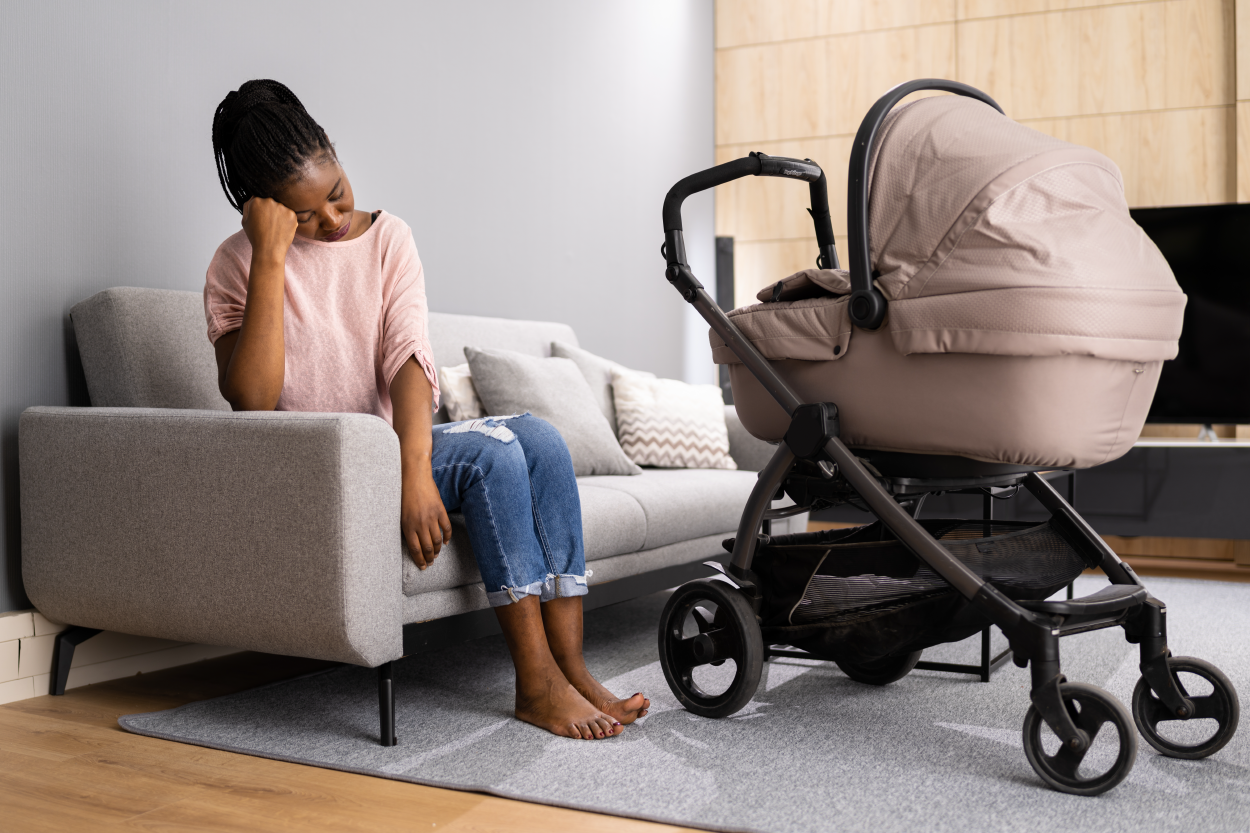
The postpartum period refers to the first 12 weeks after childbirth, though physical and mental health changes can last up to one year. During this time, the body undergoes major hormonal shifts, healing from delivery, and adjustment to infant care. These changes can increase the risk of complications such as infection, hypertension, depression, and cardiovascular events.
More than 50% of pregnancy-related deaths occur after delivery, with a significant portion happening between 1 week and 1 year postpartum. Black women are disproportionately affected, experiencing pregnancy-related deaths at nearly three times the rate of white women, regardless of income or education level.
Why is postpartum care critical?
Key Health Challenges In The Postpartum Period
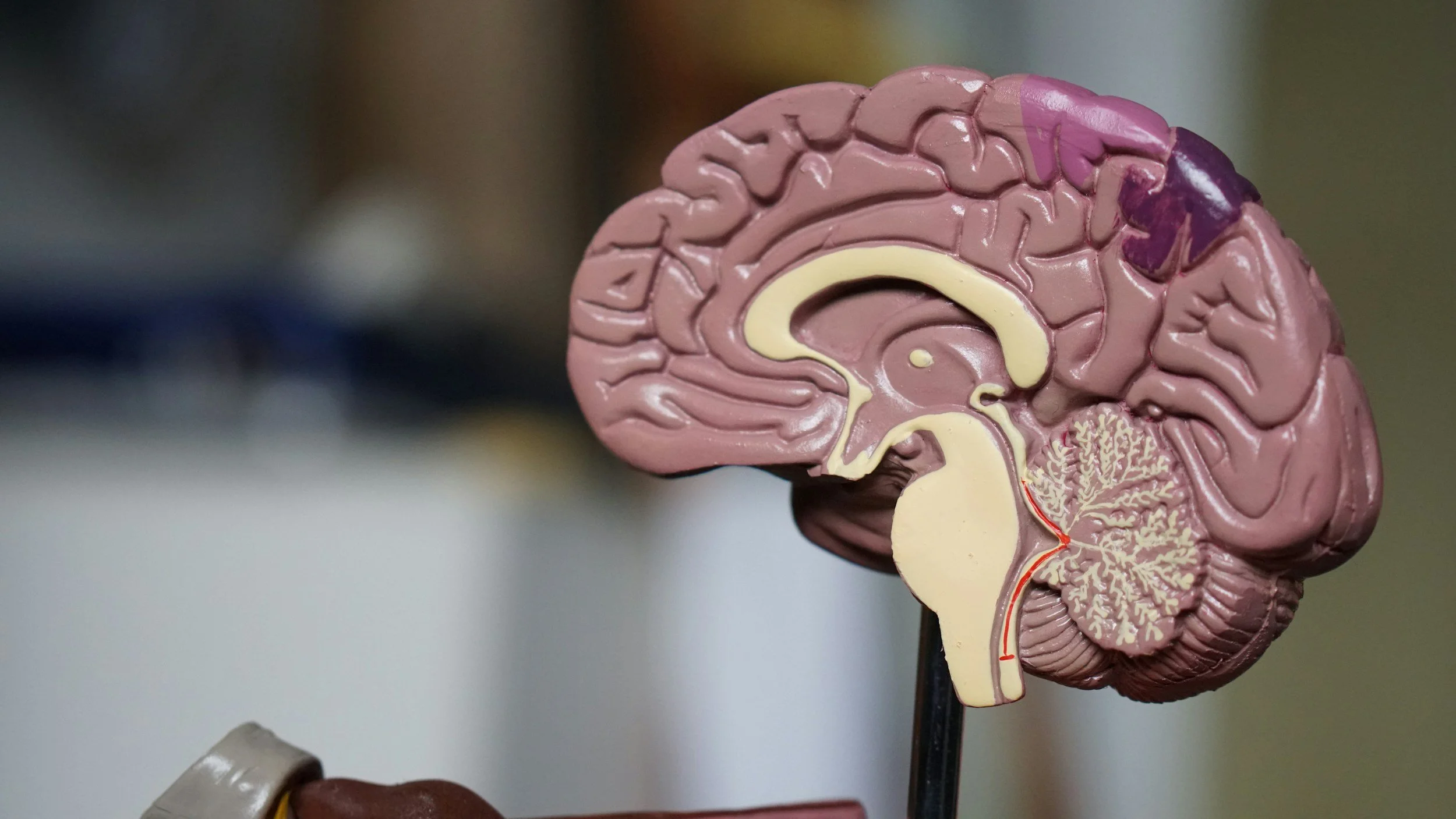
Mental Health
Postpartum depressive symptoms are common among Black mothers, with research showing a high proportion experiencing depressive symptoms that go unrecognized or untreated.
Screening for mood disorders (depression, anxiety, trauma) and trusted mental health support are essential parts of postpartum care.
Recovery & Daily Well-Being
Maternal functioning (ability to care for self and baby) in Black women is linked to mental health, infant attachment, and socio-demographic factors.
Support that enhances maternal-infant bond and addresses stress helps recovery.

Social & Community Support
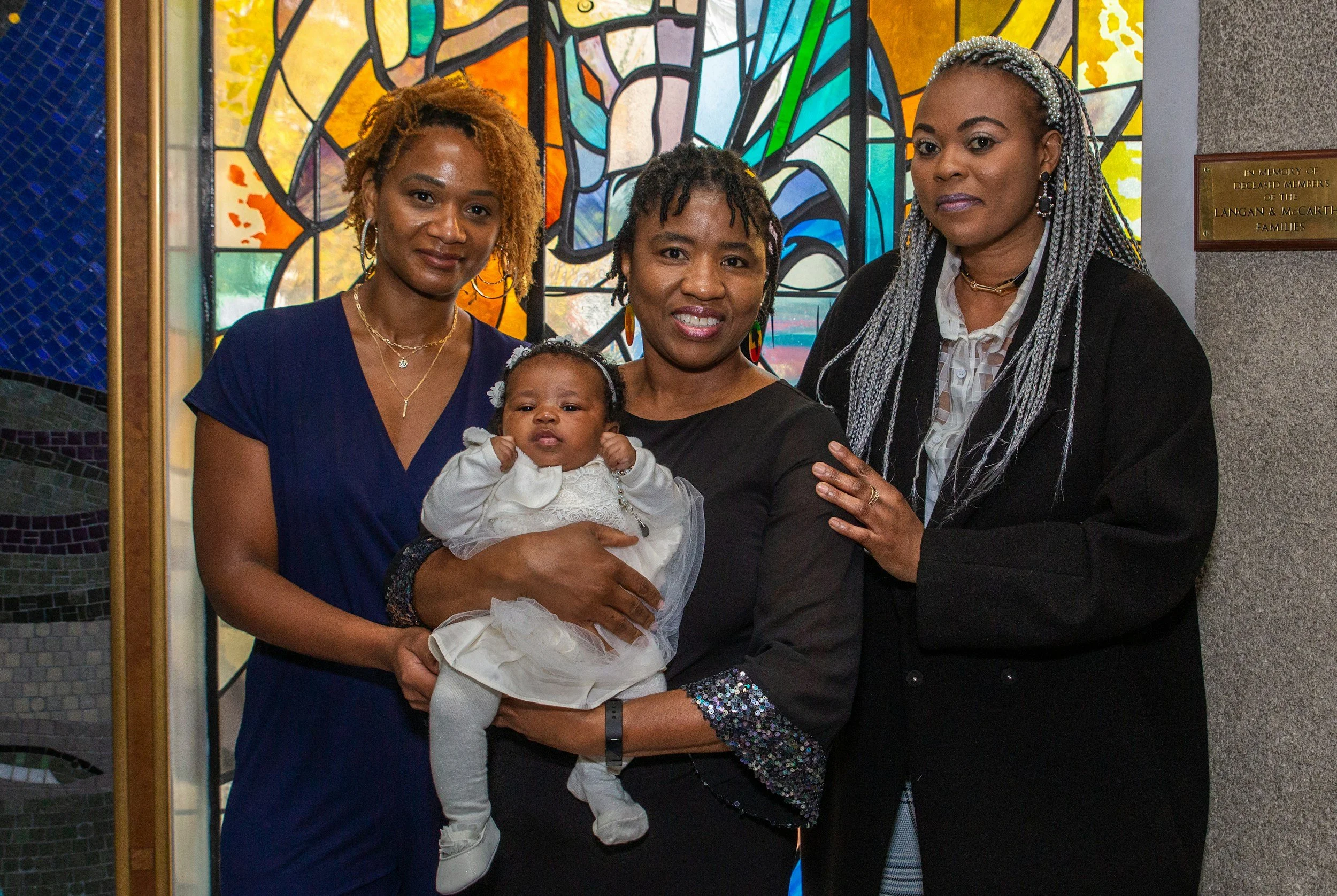
Evidence shows that strong social support networks correlate with better utilization of healthcare and improved postpartum outcomes for Black women.
Positive support can include:
Family, partner, and friend support
Peer support groups
Community doulas or culturally congruent care teams
The Role of Rest in Postpartum Healing
Adequate rest supports tissue repair, immune function, hormonal regulation, and blood pressure stabilization after childbirth. Sleep deprivation has been associated with increased inflammation, delayed wound healing, elevated cortisol levels, and higher risk of postpartum depression.
Studies show that mothers who deal with postpartum experience chronic sleep deprivation and are more likely to report depressive symptoms and difficulties with physical recovery. Rest is particularly important for Black mothers, who are more likely to experience stress-related physiological burden due to structural racism and chronic stress exposure.

What Is Blood Pressure & Why Does It Matter During Pregnancy ?
Blood pressure is the force of blood pushing against the walls of blood vessels. During pregnancy, blood volume increases and the heart works harder to support both parent and baby. When this pressure becomes to high it is know as pregnancy-related-hypertension that can develop after 20 weeks of pregnancy.
Some individuals are at higher risk of developing blood pressure during pregnancy, including those who are African American, under 20 or over 40 years old, have a history of hypertension or preeclampsia, have diabetes or kidney disease, are carrying multiple babies or have certain autoimmune conditions.
The most common types of high blood pressure during pregnancy are:
Chronic hypertension
Gestational hypertension
Preeclampsia
What Are Different Forms of High Blood Pressure?
Journey to Healthy Blood Pressure
High blood pressure may not cause symptoms, but warning signs can include headaches, swelling, vision changes, abdominal pain, and shortness of breath. Severe cases may lead to seizures or stroke.
Recognzing Symptoms


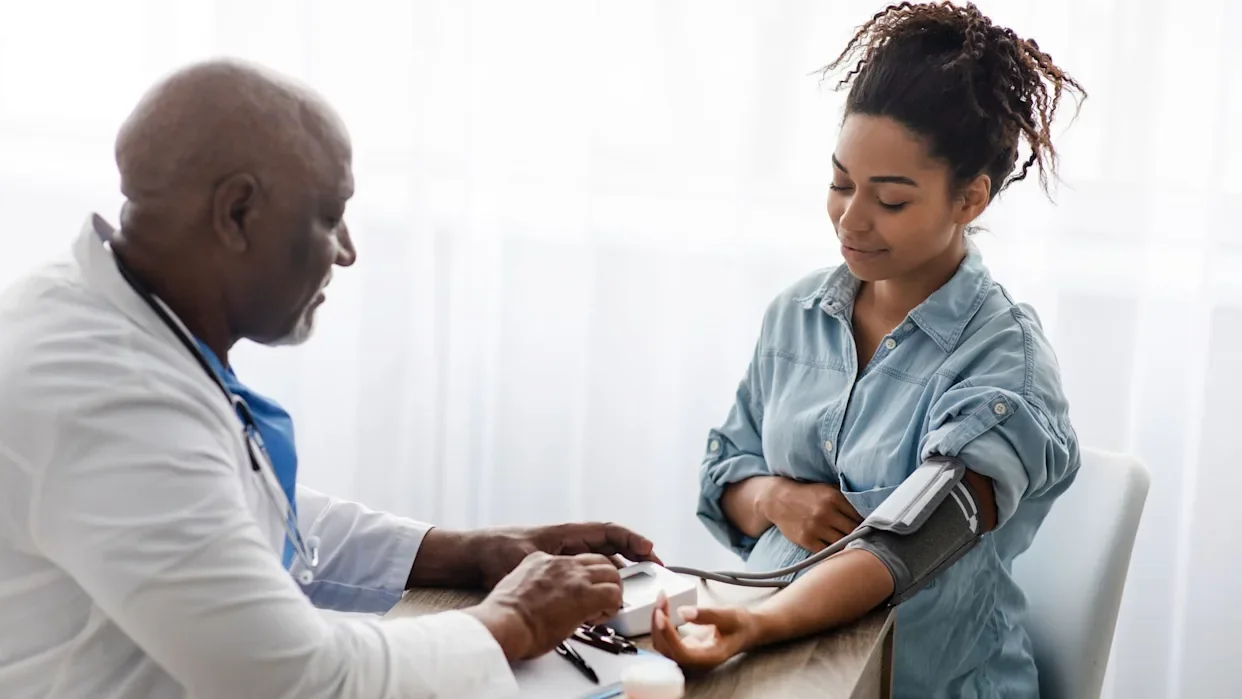
Blood pressure is measured using a cuff during prenatal visits and can also be monitored at home. It can be shown through urine and blood tests during your prenatal visits.
Diagnosis
How:
Blood pressure can be checked at prenatal visits or machines at home.
When:
Monitoring is recommended regularly throughout pregnancy, especially after 20 weeks when pregnancy-related hypertension is more likely to develop.
Why:
High blood pressure often develops without noticeable symptoms.
Monitoring & Managing

Blood pressure concerns don’t always end after delivery. Some individuals may experience worsening symptoms or develop postpartum preeclampsia, making continued monitoring and medical care essential for recovery and long-term health.
Recovery & Care Afterbirth

Words of Affirmation
You deserve to feel informed, supported, and safe throughout pregnancy and beyond. Understanding your blood pressure helps you protect your heart and advocate for your care.